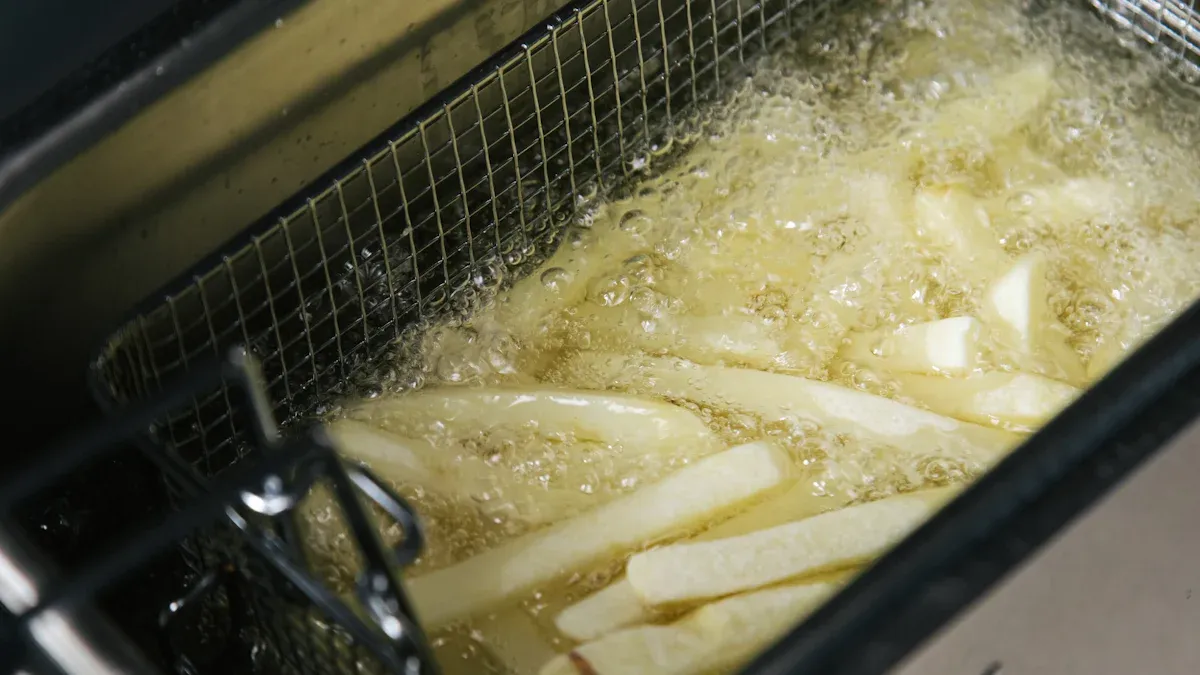
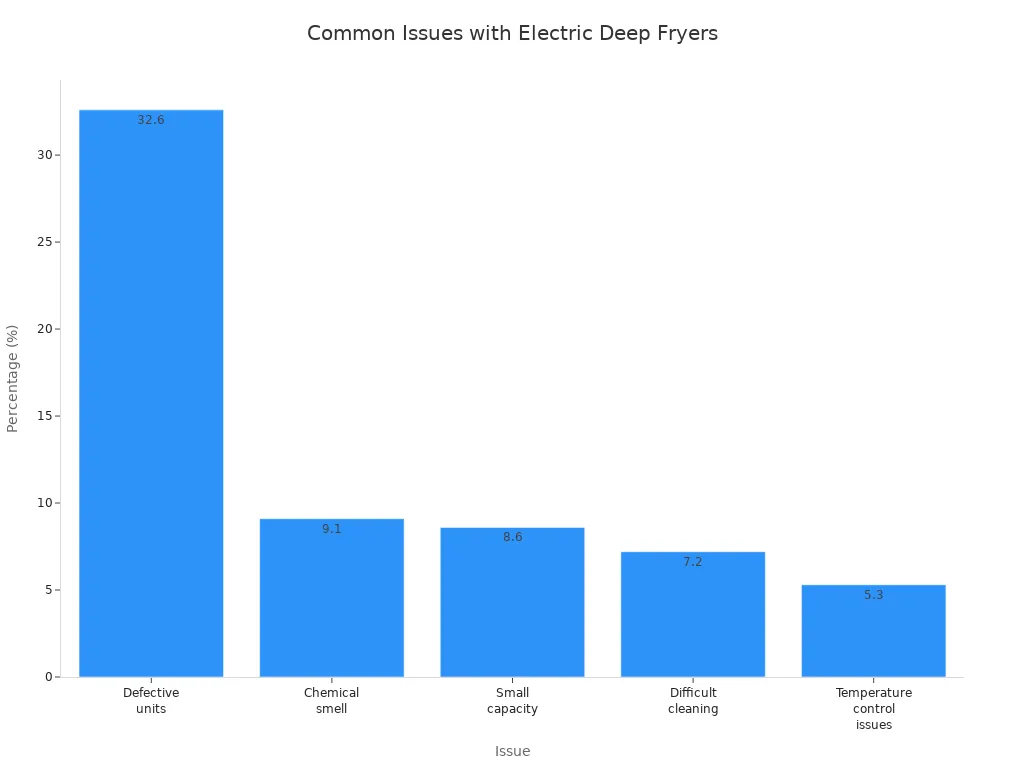
You want crispy fries, but your fryer stops working. You’re not alone—over 32% of owners deal with defective units each year. Most problems, like power or heating issues, are simple to spot and fix. Regular cleaning and safety checks make a huge difference.
| Issue | Percentage (%) |
|---|---|
| Defective units | 32.6 |
| Chemical smell | 9.1 |
| Small capacity | 8.6 |
| Difficult cleaning | 7.2 |
| Temperature control issues | 5.3 |
You can fix electric deep fryer problems with a few simple steps.
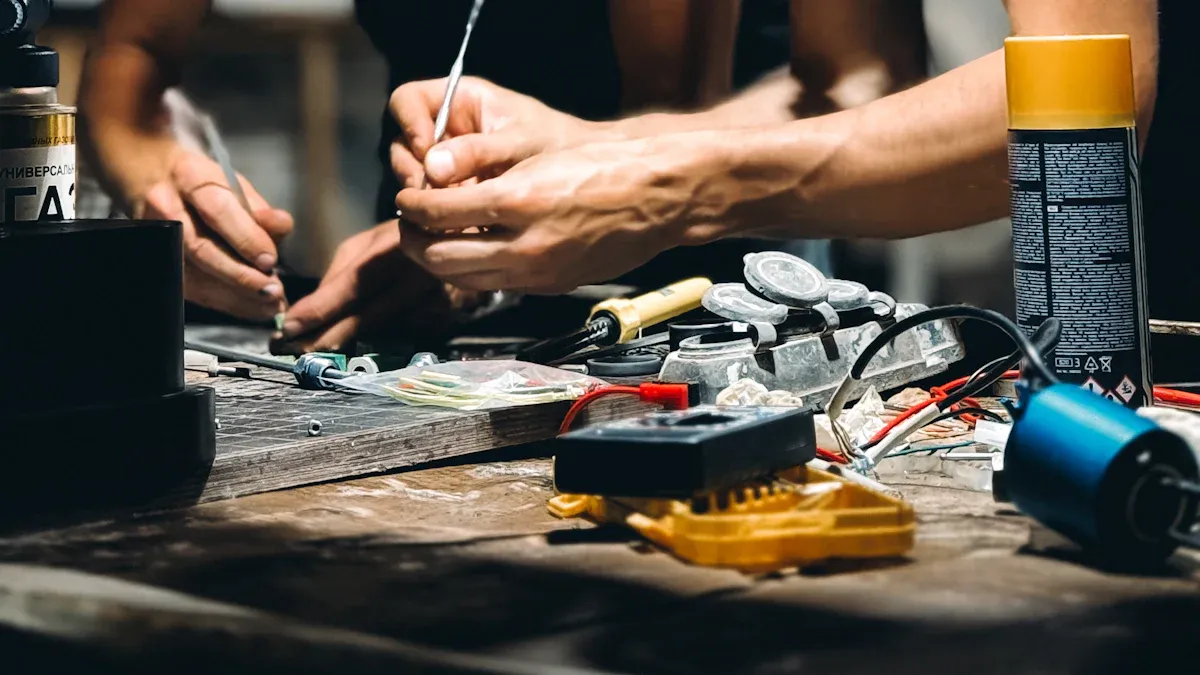
You want your fryer to work every time you plug it in. If it doesn’t, you can fix electric deep fryer problems by following a few simple steps. Let’s break down the most common issues and how you can tackle them safely.
When your fryer won’t turn on, start with the basics. Many power failures come from problems with the power source, heating elements, or thermostat. Here’s what you should do:
Tip: Always unplug your fryer before you start any troubleshooting. Wear heat-resistant gloves and safety glasses. Work in a well-ventilated area.
If you follow these steps and your fryer still won’t power up, you may need to call a professional. Sometimes, the problem is deeper than a simple fix.
Your fryer might turn on but not heat up. This usually means there’s a problem with the heating element or thermostat. You can fix electric deep fryer heating issues by checking these parts:
Signs of a bad thermostat include overheating, which can burn your food and even cause a fire. Underheating leaves your fries soggy and undercooked. If you notice either problem, test the thermostat and heating element as described above.
Note: If you’re not comfortable using a multimeter, ask someone with experience or contact a technician. Safety comes first.
Some fryers have a reset button and a thermal fuse for extra protection. If your fryer overheats, the reset button might trip. Here’s how you can fix electric deep fryer reset issues:
For the thermal fuse:
Safety Alert: Always disconnect the power before working on electrical parts. If you can’t fix electric deep fryer problems after these steps, call a professional technician. Don’t risk your safety.
By following these steps, you can fix electric deep fryer issues and get back to frying up crispy food. Regular checks and safe troubleshooting keep your fryer working and your kitchen safe.
You want crispy food every time, right? The secret starts with your oil. Old or poor-quality oil makes fries soggy and gives them weird flavors. If you fry a lot, change your oil daily. For light use, swap it out every 3-5 days. If you rarely fry, you can stretch it to 1-2 weeks. Here’s a quick guide:
| Usage Type | Oil Change Frequency |
|---|---|
| Light-to-moderate | Every 3-5 days |
| High-volume | Daily |
| Low-volume | 1-2 weeks |
Watch for dark, foamy, or smelly oil. These signs mean it’s time for a change. Fresh oil keeps your food crispy and safe.
Greasy food usually means your oil is old or the temperature is off. Fix electric deep fryer issues by keeping oil fresh and at the right level.
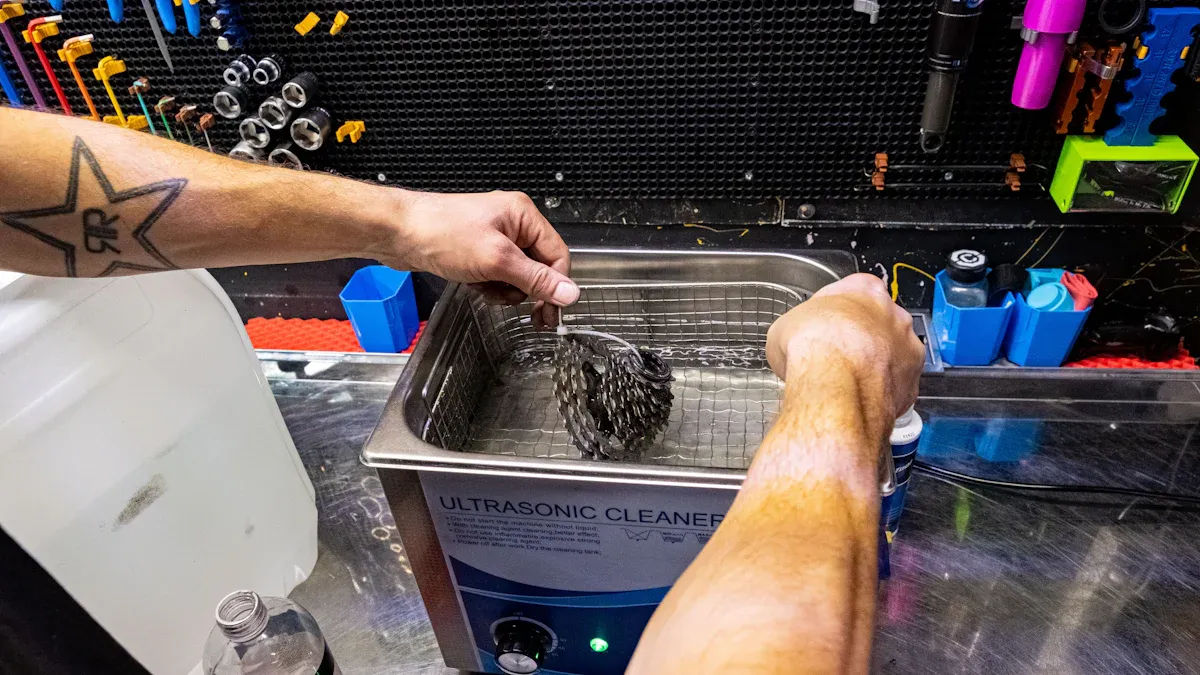
Cleaning your fryer isn’t just about looks. It keeps your food tasting great and prevents fire risks. Here’s how you can clean your fryer:
Do this daily if you fry often. Once a week, give your fryer a deep clean to remove grease and carbon.
Getting the temperature right is key for crispy results. If your fryer runs too cool, your food turns soggy. Too hot, and it burns. You can check your thermometer with boiling or ice water. Adjust it if the reading is off. Most fried foods need oil between 350°F and 375°F. Calibrate your fryer so it recovers heat quickly after adding food. This keeps everything golden and crunchy.
Regular maintenance helps your fryer last longer and keeps your kitchen safe.
You can fix electric deep fryer issues with a few simple steps. Clean your fryer often, check the oil, and test the temperature controls. Stay safe by unplugging before repairs. Regular care gives you crispy food every time. Try these tips and enjoy perfect fries at home!
Old oil or leftover food bits cause bad smells. Change your oil often. Clean the basket and inside after each use.
You should use oils with high smoke points like peanut, canola, or sunflower. Avoid olive oil. It burns quickly and ruins taste.
